

U. Chicago Professor Laura Gagliardi Wins Schrödinger Medal for Research that Accelerates Climate Solutions
Her work in theoretical and computational chemistry unlocks potential for catalysis, carbon capture, and water harvesting
Her work in theoretical and computational chemistry unlocks potential for catalysis, carbon capture, and water harvesting
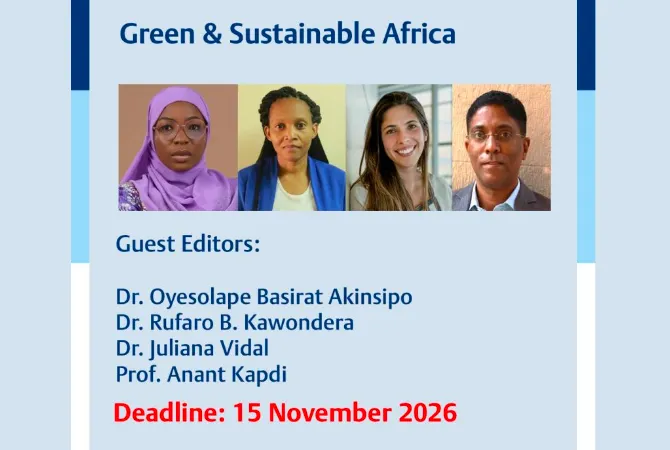
Sustainability & Circularity NOW announces call for papers; deadline November 15, 2026

"The project aims to ensure that chemical safety evaluations better account for the needs and experiences of disproportionately impacted communities."

45 articles "spotlight the cutting-edge advances, critical challenges, and radical ideas shaping the future of energy storage."

A technique called Magnetron Sputtering allows for a cascade of better choices that could reduce the amount of CO₂ generated when making hydrogen

Research that could create a more sustainable way to make things glow.

In this episode, we look at Mechanochemistry, a suite of chemical processing methods that have their roots in our ancient past, but which are being investigated anew for their potential to make those manufacturing systems cleaner, safer, and more efficient.
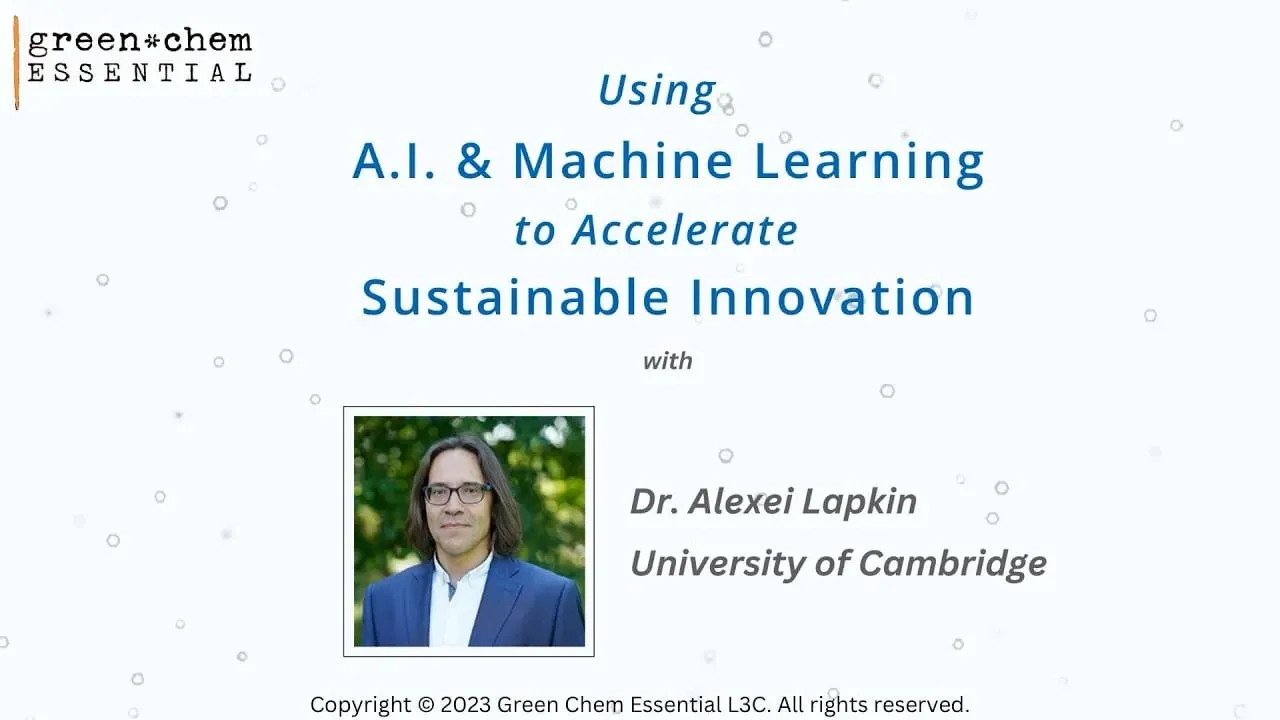
Dr. Alexi Lapkin and his fellow researchers are using these tools to accelerate research in green chemistry & green engineering.
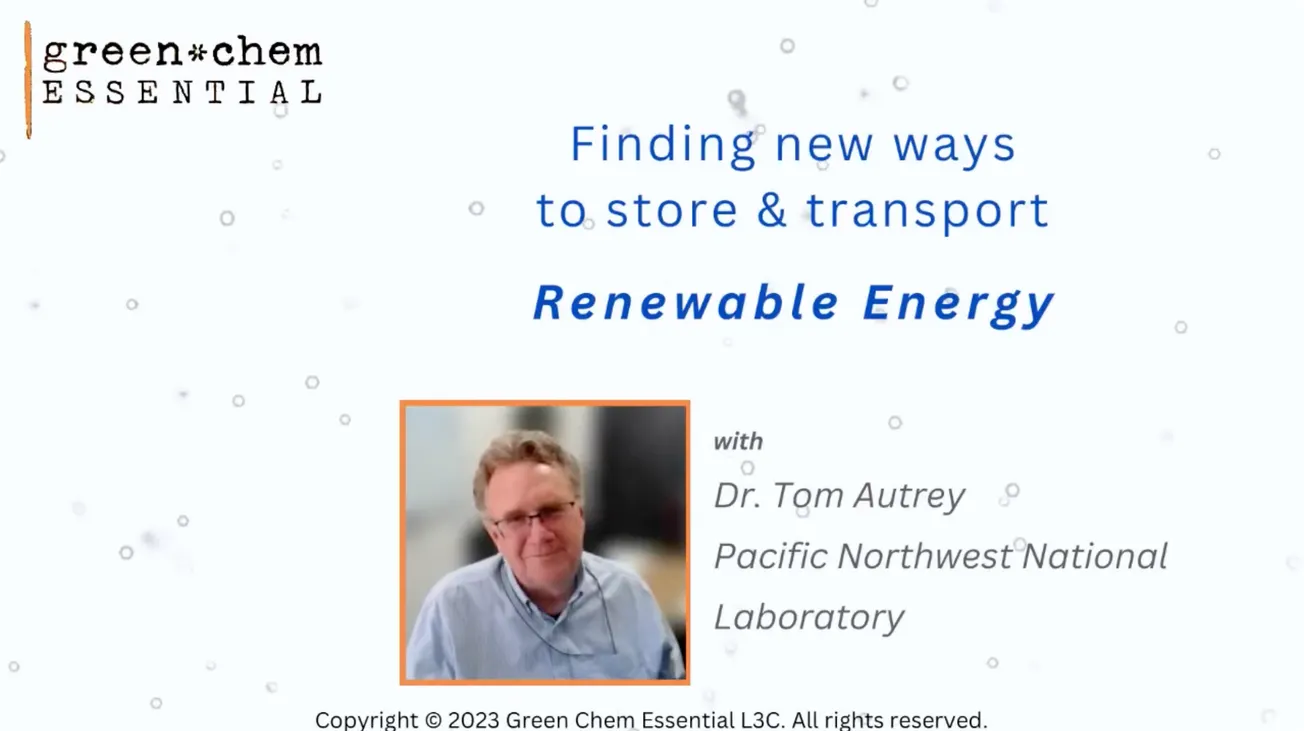
Hydrogen holds tremendous promise as a medium for storing power generated by renewable sources such as wind and solar. But storing hydrogen has traditionally involved very high pressures, or very cold temperatures; methods that lead to cost and safety challenges. Researchers at Pacific Northwest National Laboratory are testing news ways